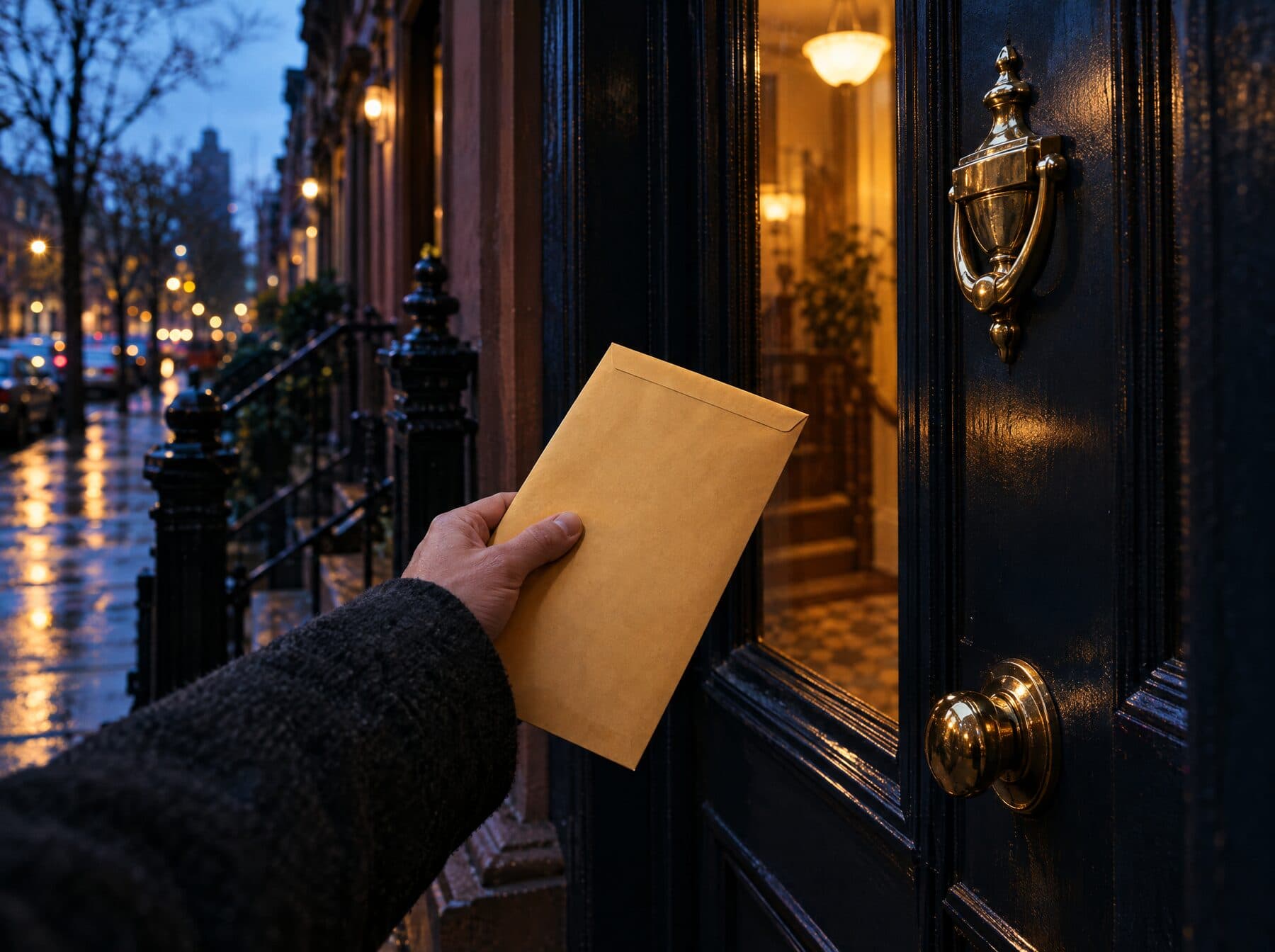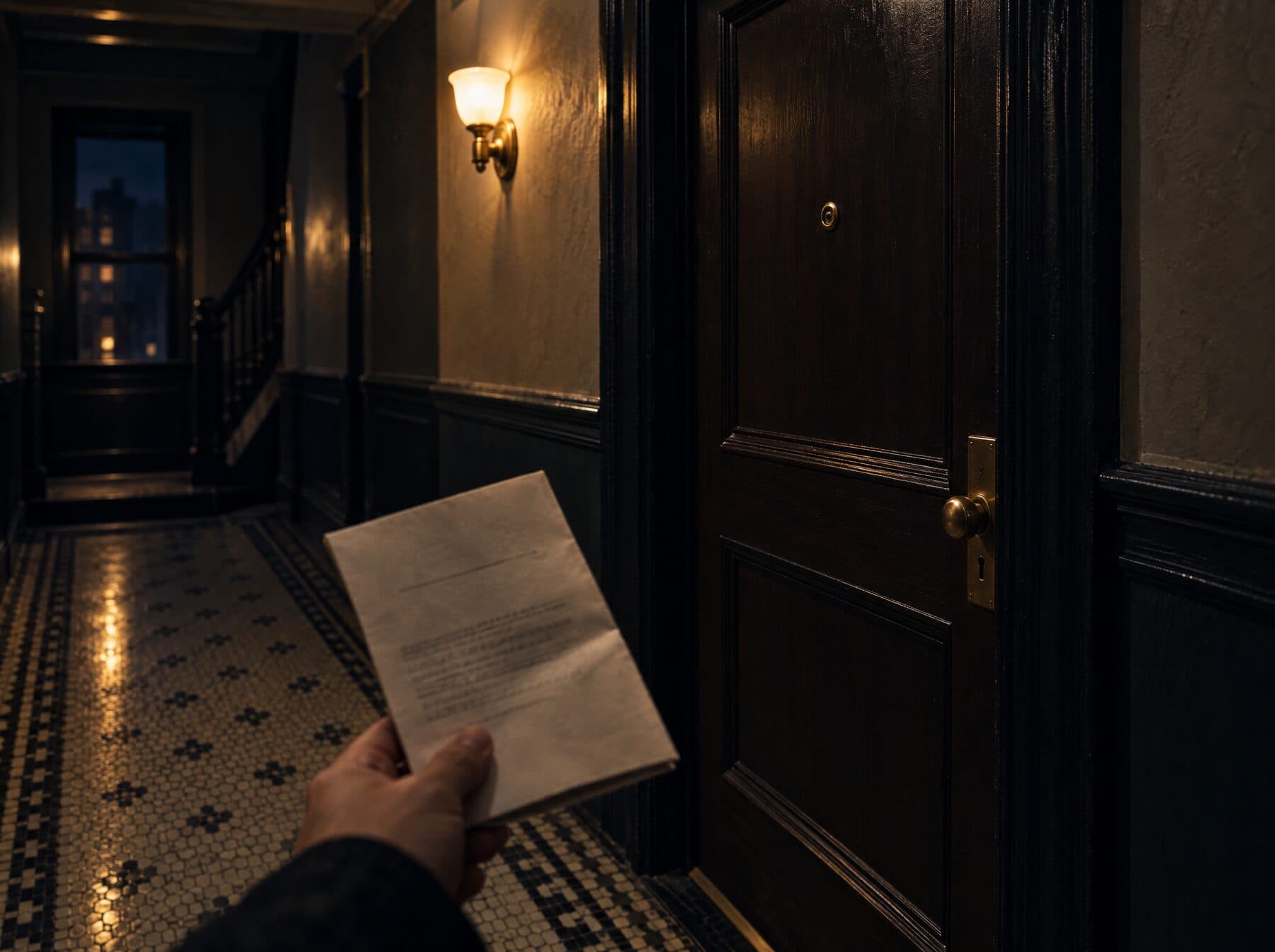
In the United States, court summonses are typically delivered through a process known as service of process. This involves delivering legal documents — such as a court summons — to the person being sued or to a representative authorized to receive such documents on their behalf.
Proper service of process is required for a court case to proceed, and failure to properly serve a summons can result in delays or even dismissal of the case.
The rules and procedures for service of process vary by state and jurisdiction, but generally, a process server or other authorized individual will physically deliver the summons to the recipient. This may occur in person or by leaving the documents at the recipient's home or workplace. In some cases, service may also be accomplished through certified mail or publication.
What Process Servers Can and Can't Do
In order for service to be considered valid, the process server must deliver the necessary legal documents in a manner that follows the laws and regulations of the state where the service is taking place. Process servers have certain limitations and responsibilities:
What Process Servers Can Do
- Deliver legal documents — Process servers are responsible for delivering summonses, subpoenas, and complaints to intended recipients at their homes, workplaces, or other locations.
- Attempt service multiple times — If the recipient is not available on the first attempt, process servers may make multiple attempts and may also leave documents with a responsible party or relative.
- Use public records — Process servers are permitted to use public records such as property records to locate individuals. They may also conduct investigations to find individuals who are difficult to locate.
- Follow legal procedures — Process servers must follow specific legal procedures, such as serving documents within certain time frames and providing proof of service to the court.
- Maintain confidentiality — Process servers cannot discuss the nature of the legal case or the documents being served with anyone other than the intended recipient.
- Work with legal professionals — Process servers often work closely with lawyers and other legal professionals to ensure documents are served properly and in a timely manner.
What Process Servers Can't Do
- Trespassing — Process servers cannot enter private property without permission, break into a home or business, or climb over fences or gates.
- Use of force — Process servers are not allowed to use physical force, threats of violence, or emotional manipulation to coerce the recipient into accepting papers.
- Deception — Process servers cannot pose as someone else, lie about their identity, or use false pretenses to gain access to the recipient.
- Harassment — Process servers cannot harass, stalk, or intimidate the recipient, including repeatedly visiting their home or workplace in a threatening manner.
- Violate privacy — Process servers cannot listen in on private conversations or record interactions without the recipient's consent.
- Serve to a minor — Process servers cannot serve papers to minors or anyone who is not legally allowed to accept them.
Why Is Proper Service of Process Important?
Process servers play a crucial role in ensuring that legal proceedings are carried out in accordance with the law. Understanding the scope of a process server's authority is important for both individuals being served and the process servers themselves, to ensure that the legal process is conducted in a fair and just manner.
FAQs
How long does a process server have to serve papers?
The time frame varies by state and the type of legal action. In some states, a process server may have as little as a few days, while in others they may have up to a year. Generally, the time frame is dictated by the statute of limitations for the particular legal action. If unable to serve within the allotted time, the process server may request an extension from the court.
What hours can a process server serve you?
In the United States, process servers are generally allowed to serve documents at any time of the day, including early morning, late at night, or on weekends. However, some states may prohibit service on Sundays or certain holidays.
Can a process server enter a gated community?
In most cases, a process server is allowed to enter a gated community to serve legal documents. However, they may be required to follow specific rules set by the community, such as checking in with security or obtaining permission from the homeowner's association. Rules may vary by state and jurisdiction.