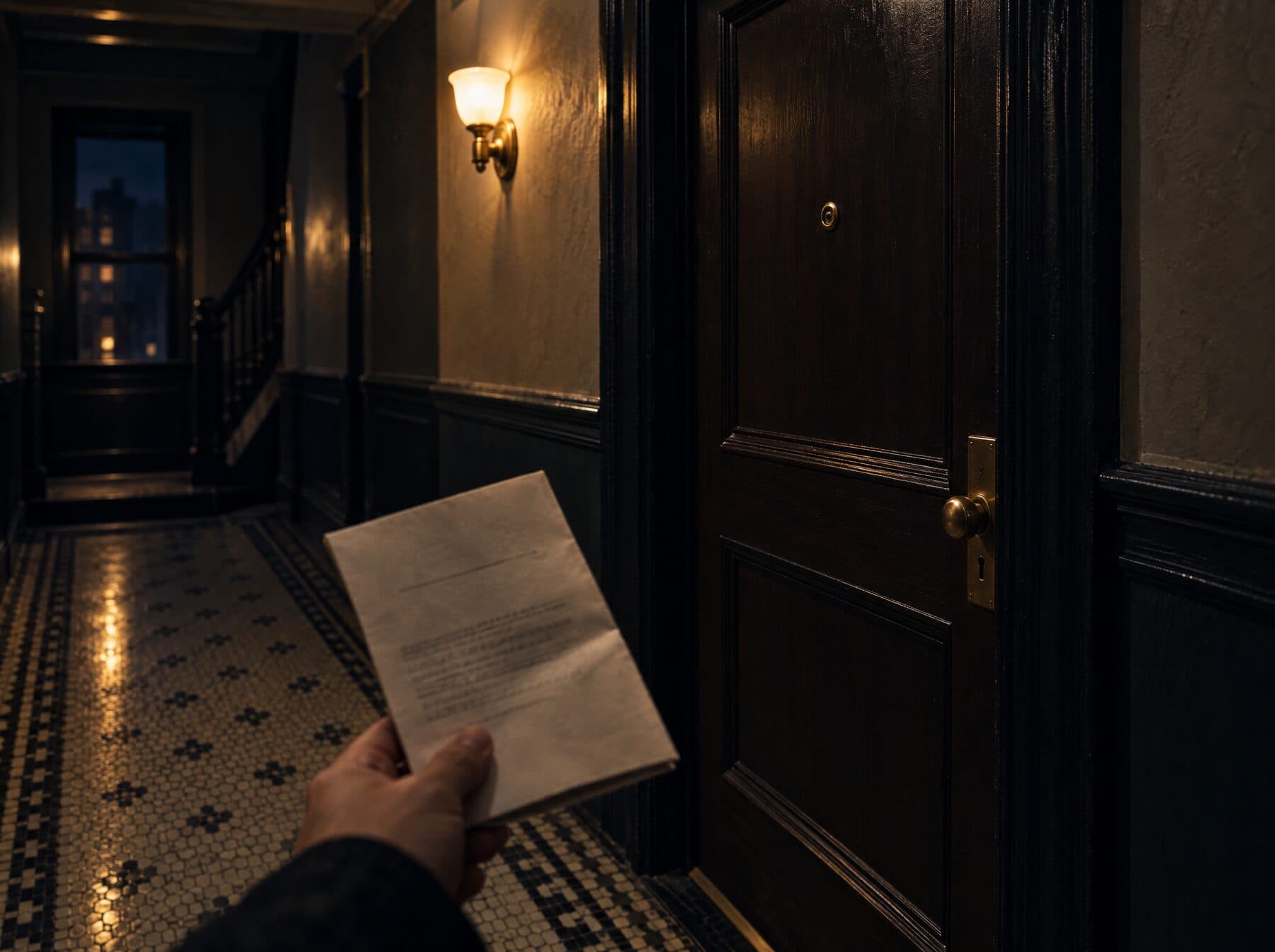
In New York City, law firms are legally required to use licensed process servers when serving legal documents within the five boroughs. While this requirement is often assumed, many firms are unaware that not all individuals offering service of process in NYC are properly licensed. The difference between a licensed and unlicensed process server is not merely technical — it can determine whether service is upheld or invalidated by the court.
For attorneys, paralegals, and litigation support staff, understanding NYC process server licensing requirements is essential to protecting cases from avoidable delays, motions, or dismissals.
Why New York City Requires Process Servers to Be Licensed
Unlike most jurisdictions, New York City mandates licensing for any person who serves legal papers for compensation. Licenses are issued by the NYC Department of Consumer and Worker Protection (DCWP) and apply across all five boroughs.
To obtain and maintain a valid NYC process server license, an individual must:
- Pass a background check
- Complete a licensing examination
- Renew the license on a recurring basis
- Comply with strict record-keeping rules
- Follow applicable NYC Administrative Code provisions and CPLR requirements
Anyone serving papers for pay in NYC without this license is operating illegally, regardless of experience or intent.
The Legal Risks of Using an Unlicensed Process Server
One of the most common — and costly — mistakes law firms make is unknowingly relying on an unlicensed process server. While the service attempt may appear routine, problems often arise once service is challenged.
Risks associated with unlicensed servers include:
- Defective or non-compliant affidavits of service
- Improper service methods
- Incomplete or vague attempt documentation
- Inability to credibly testify if service is disputed
- Service being vacated upon motion
In contested cases, opposing counsel frequently scrutinizes the credentials of the server. If the individual who served papers is unlicensed, courts may disregard the affidavit entirely, forcing re-service and potentially jeopardizing statutory deadlines.
Why Affidavits of Service Matter More in NYC
An affidavit of service is not merely administrative — it is a sworn legal document that may be relied upon by the court. NYC courts expect affidavits to strictly comply with procedural requirements.
Licensed NYC process servers are trained to:
- Accurately document dates, times, and locations
- Properly identify recipients
- Apply correct service language
- Understand substituted and conspicuous service rules
- Maintain supporting records that match the affidavit
Unlicensed servers often lack familiarity with these standards. Even small inconsistencies — incorrect time frames, unclear descriptions, or missing details — can provide grounds for challenge.
NYC Process Server Record-Keeping Requirements
Licensed process servers in NYC are required to maintain detailed service logs for every attempt. These records must include:
- Date and time of each attempt
- Address served
- Method of service used
- Physical description of the recipient
- Notes regarding refusals, access issues, or obstructions
These logs must be retained and produced if requested by the court. Law firms benefit from this level of documentation, particularly when service is questioned months later.
Unlicensed servers typically do not maintain compliant logs, leaving firms exposed when documentation is demanded.
Accountability and Oversight
Licensed process servers are subject to city oversight. Complaints may be investigated, licenses can be suspended or revoked, and penalties may be imposed for violations. This system creates accountability and professional standards.
Unlicensed servers operate outside this regulatory framework. When problems occur, firms are left without recourse — other than re-serving documents and addressing potential procedural damage.
From a risk-management perspective, service of process should be treated like any regulated legal support function: credentials matter.
Cost Savings vs. Case Risk
Some firms encounter unlicensed servers due to lower pricing. While controlling costs is important, short-term savings often pale in comparison to the downstream consequences of defective service.
The real costs of improper service include:
- Missed statutory deadlines
- Motions to dismiss or quash
- Re-filing fees
- Increased internal workload
- Client dissatisfaction
Licensed NYC process servers price their services to reflect compliance, documentation, and accountability — elements that ultimately protect the firm.
Serving NYC Is Not the Same as Serving Other Counties
Experience serving papers elsewhere in New York does not automatically translate to NYC compliance. A server may lawfully operate in Nassau, Suffolk, or Westchester and still be unqualified to serve in NYC without proper licensing.
New York City has:
- Separate licensing requirements
- Unique administrative rules
- Higher scrutiny in contested cases
- More frequent service challenges
Law firms should not assume that statewide experience equals NYC authorization.
Why Law Firms Should Verify NYC Process Server Licensing
Verifying that a process server is properly licensed in NYC should be standard due diligence for any law firm. At a minimum, firms should confirm:
- The server holds a current NYC process server license
- Affidavits are issued under that license
- The agency understands NYC-specific service rules
- Records are maintained in compliance with city requirements
This simple step significantly reduces risk and ensures service withstands scrutiny.
Conclusion
The difference between licensed and unlicensed process servers in NYC is fundamental. Licensing ensures legality, credibility, accountability, and strict adherence to some of the most demanding service requirements in the country.
For law firms practicing in New York City, working with a licensed NYC process server is not optional — it is essential. Proper licensing protects cases, preserves procedural integrity, and prevents avoidable setbacks.