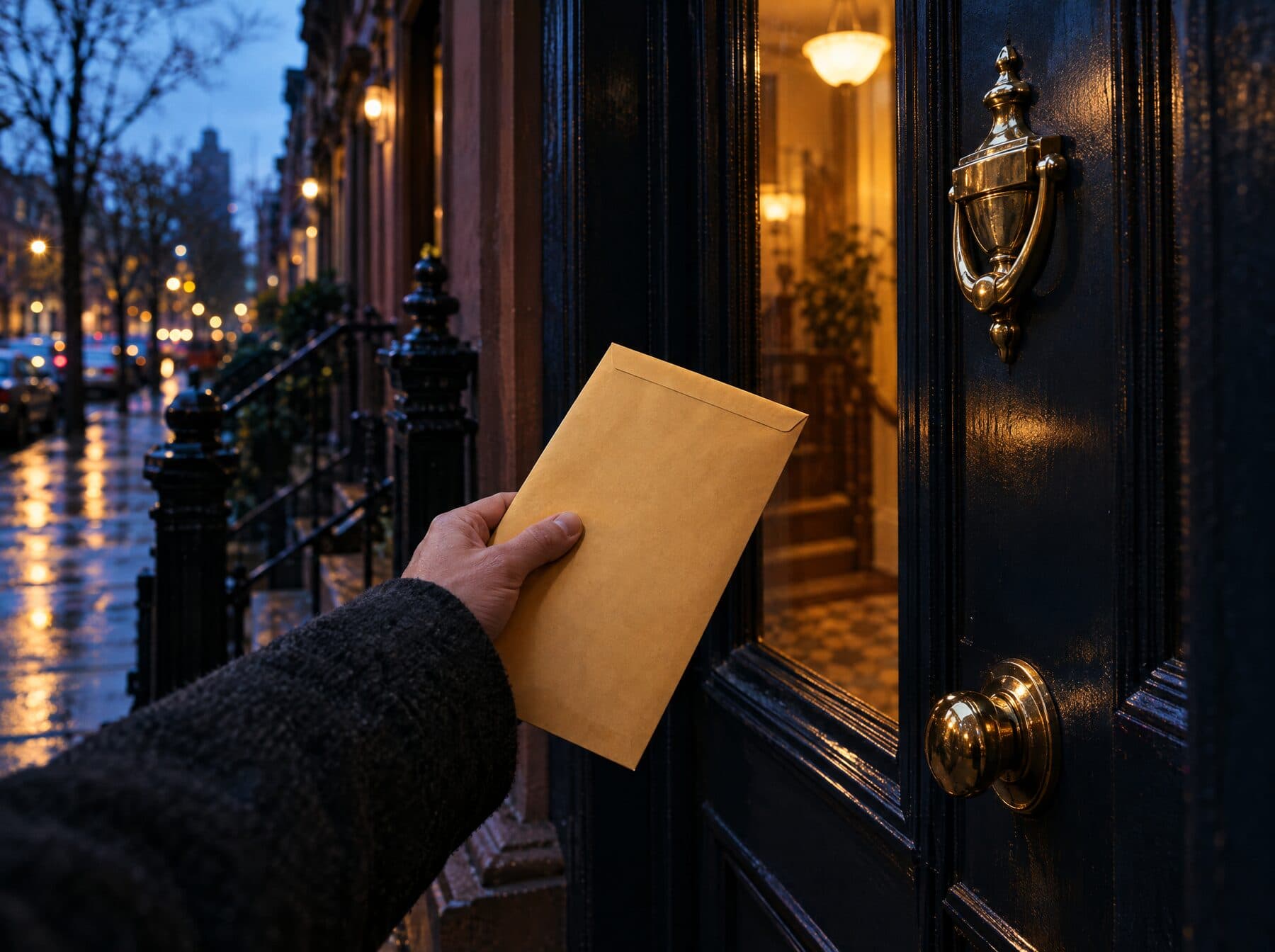
In the world of legal proceedings, one critical step can make or break a case: serving legal papers. Proper service is essential to ensure that all parties involved are aware of the legal actions taken against them, guaranteeing due process and protecting individuals' rights.
Methods of Serving Legal Papers
Serving legal papers involves delivering court documents to the intended recipient, notifying them of legal actions, and providing them with an opportunity to respond. Several methods exist for serving legal documents, each with its own advantages and considerations.
1. Personal Service
Personal service is often considered the gold standard for serving legal papers. It involves physically handing the documents to the recipient in person, ensuring they are directly notified of the legal proceedings with no room for denial or misunderstanding.
Best used when: The recipient can be located and is cooperative. Personal service is typically required for more serious legal actions, such as lawsuits.
The process server or the individual serving the documents must:
- Locate the Recipient — Determining the recipient's current address and whereabouts is the first crucial step. This may involve skip tracing or surveillance to track down individuals who may be intentionally avoiding service.
- Personally Hand Over Documents — Once the recipient's location is determined, the process server must approach the individual and personally hand over the legal documents. It's essential to confirm the recipient's identity and ensure they understand the significance of the documents.
- Record Service Details — The process server must meticulously document all aspects of the service, including the date, time, location, and recipient's identity. These records serve as evidence of due diligence and are essential for legal proceedings.
2. Certified Mail
Certified mail is a secure and trackable method of serving legal papers. The sender sends the documents via certified mail with return receipt requested. When the recipient signs for the mail, it serves as evidence of receipt.
Best used when: The recipient's location is known, but personal service is impractical or the recipient is uncooperative. Often used for less contentious matters like debt collection or small claims cases.
When using certified mail:
- Prepare the documents and enclose them in an envelope
- Request certified mail service with return receipt requested at the post office
- Track delivery status online using the tracking number provided
- Keep copies of all receipts and tracking information as proof of service
Certified mail provides a level of formality and accountability, though it may not be suitable for cases where personal service is mandated.
3. Hiring a Process Server
Process servers are trained professionals hired to serve legal documents on behalf of parties involved in legal proceedings. They are experienced in locating individuals and ensuring proper service while adhering to legal requirements.
Best used when: Personal service is necessary, but the party initiating the legal action cannot serve the documents themselves, or when the recipient is evasive.
Here's how the process works:
- Select a Process Server — Research and hire a reputable process server with knowledge of local laws and regulations and a solid track record of professionalism.
- Provide the Documents — Supply the process server with complete, well-prepared legal documents to ensure a smooth process.
- Confirm Service Details — The process server will locate the recipient, personally serve the documents, and record the service details.
- Receive Affidavit of Service — After successful service, the process server provides an affidavit of service confirming the details including date, time, location, and recipient identity.
4. Electronic Service
In the digital age, electronic service has gained prominence. It involves serving legal documents electronically, such as via email or through electronic filing systems. However, acceptability varies by jurisdiction and the nature of the legal action.
Best used when: Allowed by local laws and rules, and the recipient is willing to accept documents electronically. Often used in business and commercial litigation.
Key considerations:
- Check local laws to confirm electronic service is permitted
- Verify whether the recipient consents to receiving documents electronically
- Use secure methods for transmitting sensitive legal documents
- Maintain records of the electronic service, including confirmation of receipt
Choosing the Right Method
Serving legal papers correctly is a fundamental aspect of the legal process. Choosing the best method depends on various factors, including the nature of the case, the recipient's cooperation, and local laws and regulations.
Whether it's personal service, certified mail, hiring a process server, or electronic service, ensuring proper service is essential to protect individuals' rights, guarantee due process, and maintain the integrity of the legal system.